Overview
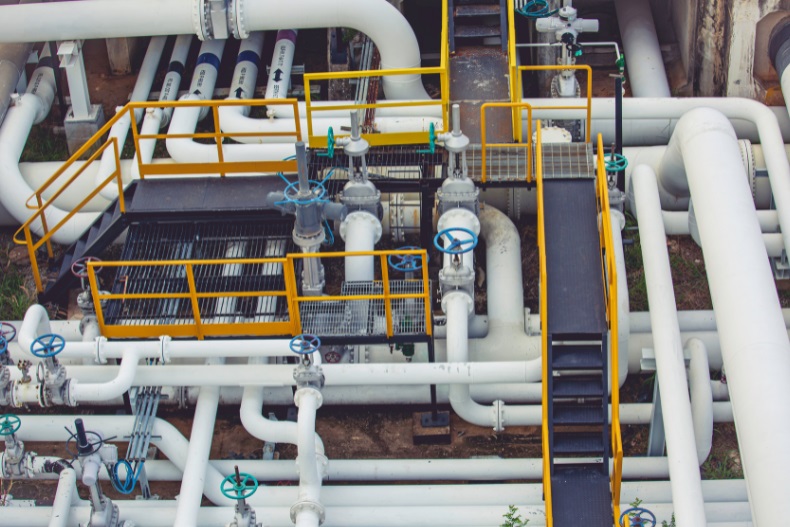
Oil pipelines are the least expensive and most environmentally friendly way to move oil. The pressure difference produced by the pumping stations causes the oil to travel at speeds of up to 3 m/s. Depending on the road's geography, they are installed every 70 to 150 kilometers. The pipes have valves installed at 10- to 30-kilometer intervals to allow for the blocking of specific sections in the case of an accident. Pipes typically have an inner diameter of 100 to 1400 millimeters. The pipes are made of high-plasticity steels that can withstand hits from heat, pressure, and chemicals. Reinforced pipelines are becoming more and more prevalent. They are non-corrosive and have an almost endless service life.
Fuel pipelines carry diesel, gasoline, and jet fuel from refineries to regional distribution centers. Field gathering systems include pipelines that convey crude oil from the wellhead to storage tanks and treatment facilities, where it is measured and tested. We regularly inspect our pipelines.
The majority of our pipelines are generally unconstrained in terms of the types of crude and refined products that can be transported on them, with the possible exception of certain pipeline and terminal agreements. The Federal Energy Regulatory Commission (FERC) regulates interstate transportation tariffs for our pipelines, which transport refined products and crude oil, while state regulatory organizations regulate intrastate transportation tariffs.
Pipeline Safety
We continuously invest in the integrity and maintenance of our assets, implementing inspection and repair procedures in compliance with local, state, and federal regulations. Our control center uses satellite communications to oversee our pipeline and terminal assets, and our state-of-the-art computers are always monitoring operational data in real time. The pipeline firms are in charge of ensuring the safety of their operations.
From the project's initial design phase through construction, maintenance, and operations, the Pipeline and Hazardous Materials Safety Administration oversees and regulates pipeline system activities to guarantee compliance with national and local safety and environmental standards.

Emergency Response
In the areas where we direct business, Oil and Gas Pipeline Control B.V. Accomplices is devoted to keeping up with safe tasks. Our commitment to pipeline safety includes developing and maintaining relationships with local emergency responders and public officials as well as corporate emergency response plans. Our principal objective is to ensure public security while empowering a planned reaction to crisis and security emergencies. A garrison will be laid out by the pipeline firm to act as a solitary center point for all crisis data. You will receive additional information from the pipeline incident commander. To reduce the effect of the hole, pipeline administrators will go to the expected functional lengths, like beginning and halting hardware, shutting and opening valves, and different activities.